

Montana: wild, magical and unapologetically undiscovered. This beautiful state is home to wide-open spaces, national parks, rugged backcountry terrain, glacial rivers, wildlife refuges and wilderness areas.
From massive bison in the Bison Range to grizzly and black bears in Glacier National Park, Montana is home to a variety of wildlife. In order to help all of us have positive encounters with Montana’s wildlife and wild landscape, we’ve rounded up a few tips and guidelines to keep in mind when exploring the great outdoors.
Wildlife is wild. While bison may seem like gentle giants and bears may look a little playful and cuddly, just remember this: it’s not the case! Do not approach wild animals, or try to pet or touch them. Keep this in mind not just in Glacier National Park, but in our refuge systems as well, and always follow the rules of the area you are visiting. For instance, when traveling along designated roads at the Bison Range, you are not permitted to exit your vehicle. These rules are in place not just to keep visitors safe, but also for the safety of wildlife.
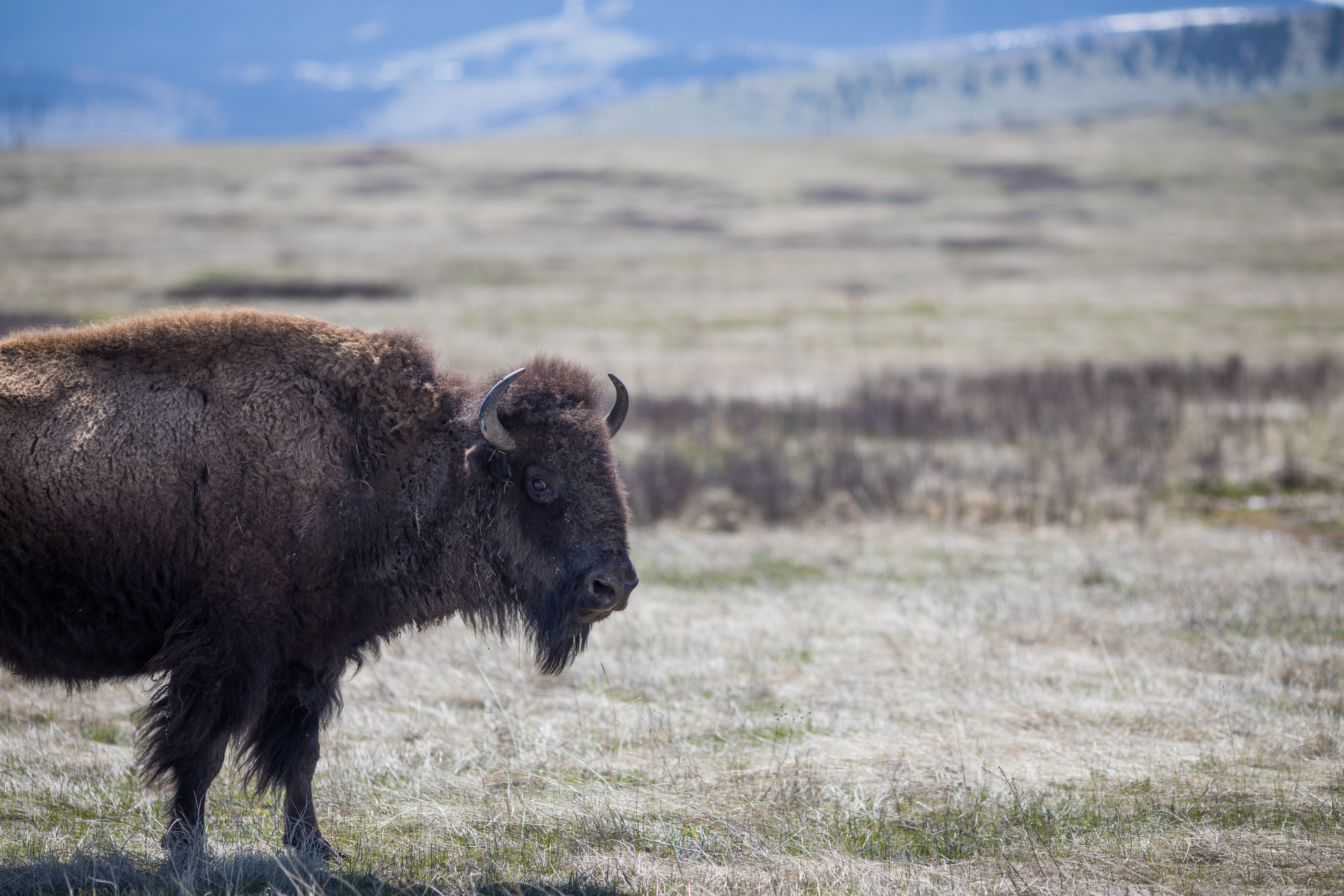
Follow the recommended wildlife viewing guidelines. Let’s be honest, we’ve ALL been tempted to get just a little bit closer to snag that perfect photo. And while moving in 10 feet closer may help you land that perfectly framed Instagram photo, just don’t do it. Park regulations state that all visitors should stay at least 100 yards (the length of a football field) away from bears and at least 25 yards away from other large animals, including bison, elk, bighorn sheep, deer, moose and coyotes. It’s always encouraged to view wildlife from the safety of your car.
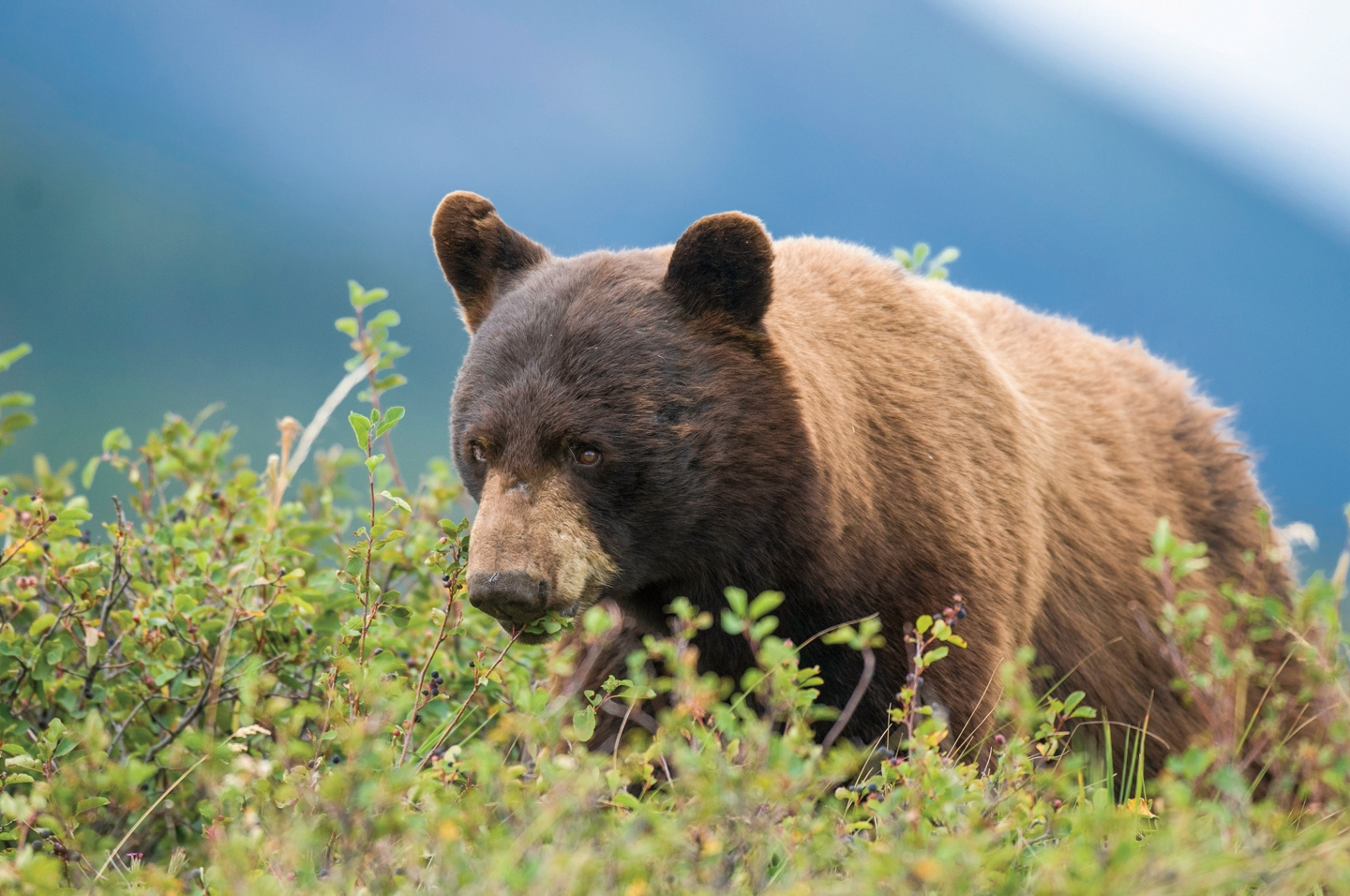
Don’t trap them. Videos have been published showing bears and other wildlife pinned on bridges or feeling trapped on trails. If an animal feels trapped, it will become agitated. Try not to put yourself in a situation where you are more focused on taking photos or videos than you are on safety, and recognize when a situation can be handled more cautiously.
Never approach, touch or feed wildlife, even when an animal approaches you or doesn’t seem to be threatened by your presence—wildlife may not know better, but you do! Don’t risk injury to yourself or the animal over a selfie. Some wildlife have been habituated to approach visitors for human food, but don’t feed wildlife, and be sure to distance yourself from them. Human food is harmful to wildlife, big and small, and can result in poor nutrition and a shorter lifespan. Learn about Leave No Trace for more information on respect for wildlife and their habitat.
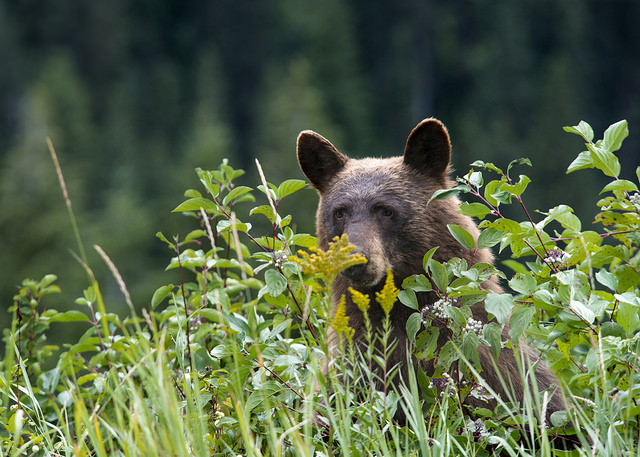
Let bears know you’re nearby. When hiking, be sure to hike with a buddy, stay on trails and make noise. Feel free to bust out show tunes or just say “hey bear” loudly as you make your way along the trail. Trust us when we tell you that bears don’t want to see you on the trail just as much as you don’t want to see them there.
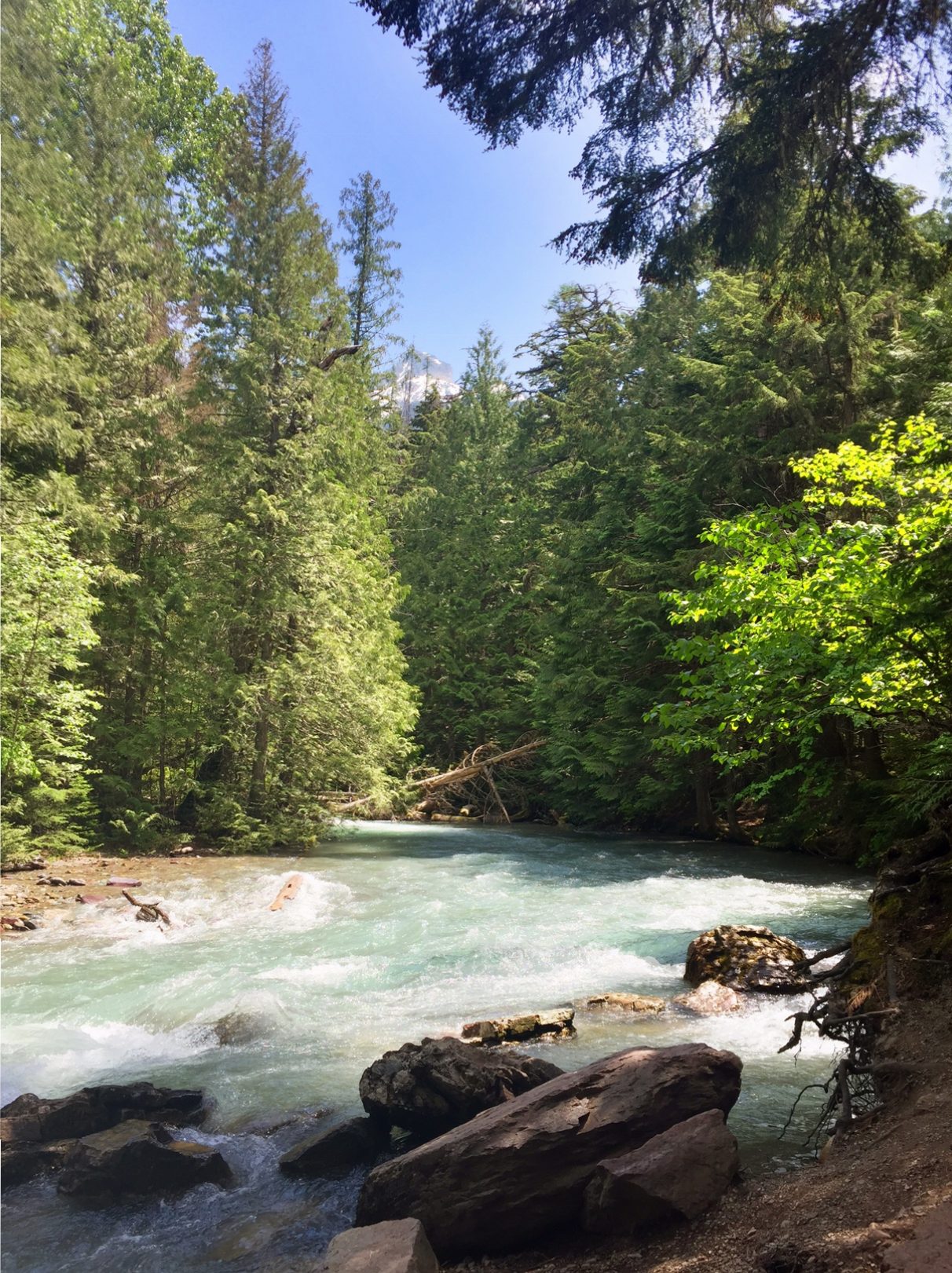
Water safety should be a priority. Did you know that water is the number one cause of fatalities in Glacier National Park? Swift, cold glacial streams and rivers, moss-covered rocks and slippery logs all present dangers. Rapid, frigid streams and deep glacial lakes are absolutely stunning, but need to be recognized as a possible threat. Avoid wading in or fording swift streams. Also be aware of signs of hypothermia when cautiously wading through calm streams, hiking trails or swimming in lakes.
Stay safe, and happy exploring!
June 4, 2018
Related: Glacier National Park, Montana, Outdoor Fun, Parks, Water Fun, Wildlife
Comments