

Western Montana’s landscapes—spanning rivers, lakes, forests, mountains and the glacial-carved terrain of Glacier National Park—create a region defined by natural beauty and ecological diversity. This environment is home to an array of wildlife, from grizzly and black bears to elk, mountain goats, moose, bighorn sheep and countless smaller species. Encountering these animals in their natural habitat is one of the most memorable parts of visiting Glacier Country, and it comes with a responsibility to protect both wildlife and people.
The best way to enjoy Montana’s wild places is to do so with care. Here are key guidelines to help ensure safe and respectful wildlife viewing.
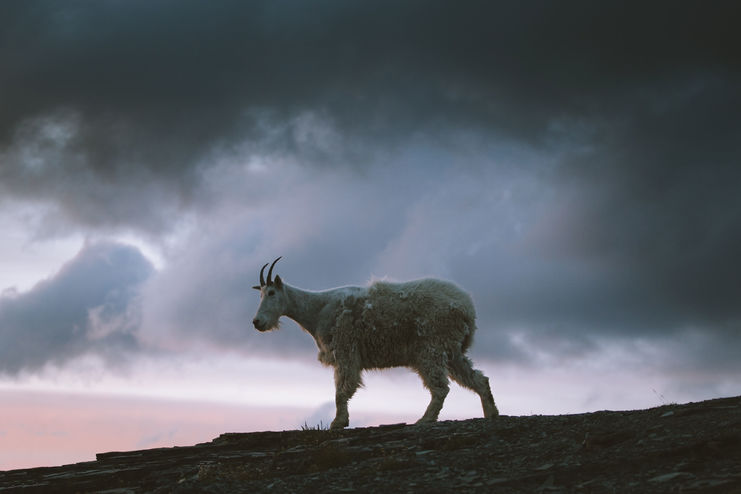
STAY ON DESIGNATED TRAILS, PATHWAYS AND BOARDWALKS
These routes are designed to protect sensitive ecosystems and provide safe passage for visitors. Remaining on marked paths also reduces the likelihood of surprising wildlife at close range.
GIVE WILDLIFE PLENTY OF SPACE
Observe animals from your vehicle or from a respectful distance, which helps keep you and the animals safe.
- Stay at least 100 yards away from bears.
- Stay at least 25 yards away from bison, elk, moose, deer, bighorn sheep and other large animals.
NEVER APPROACH WILDLIFE—ESPECIALLY FOR PHOTOS
Montana’s landscapes are not controlled environments, and the animals here are truly wild. There are no barriers between you and wildlife in Glacier National Park, on public lands or on trails. Approaching any animal places both you and the wildlife at risk.
DO NOT TOUCH OR FEED WILDLIFE
Human food endangers wildlife by changing natural behaviors, leading to poor nutrition and increased conflicts. Some animals may approach visitors due to previous feeding, but it is essential to keep your distance and secure all food and scented items.
USE SAFE PRACTICES WHEN HIKING IN BEAR COUNTRY
- Hike in groups.
- Carry bear spray and know how to use it.
- Make noise at regular intervals to avoid surprising animals.
- Stay alert, especially near creeks, berry patches, dense vegetation and areas with limited visibility.
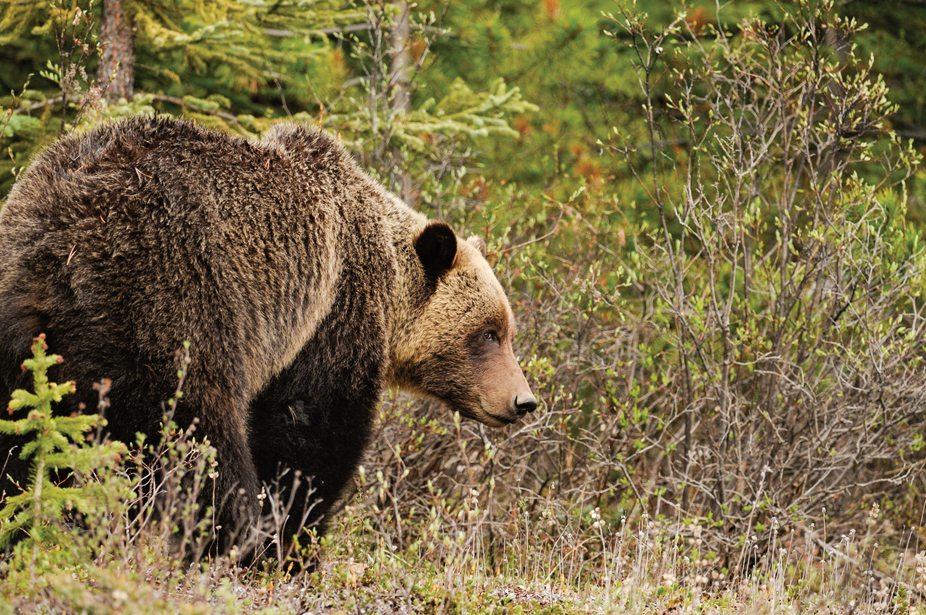
Please note: We ask that all our visitors and residents recreate responsibly by being mindful of the following: know before you go; plan ahead; play it safe; leave no trace; tread lightly; and help build an inclusive outdoors.
Updated December 23, 2025
July 11, 2017
Related: Hiking, Outdoor Fun, Recreate Responsibly, Wildlife
Comments