

Western Montana’s backcountry draws people year-round, but winter is when it shows its depth. Deep snow, long approaches and wide terrain make this region a standout for experienced skiers looking beyond the resort boundary. From quiet logging roads to high alpine bowls, the range of backcountry options is broad—and pairing a ski tour with a yurt stay turns a day mission into a multiday experience.
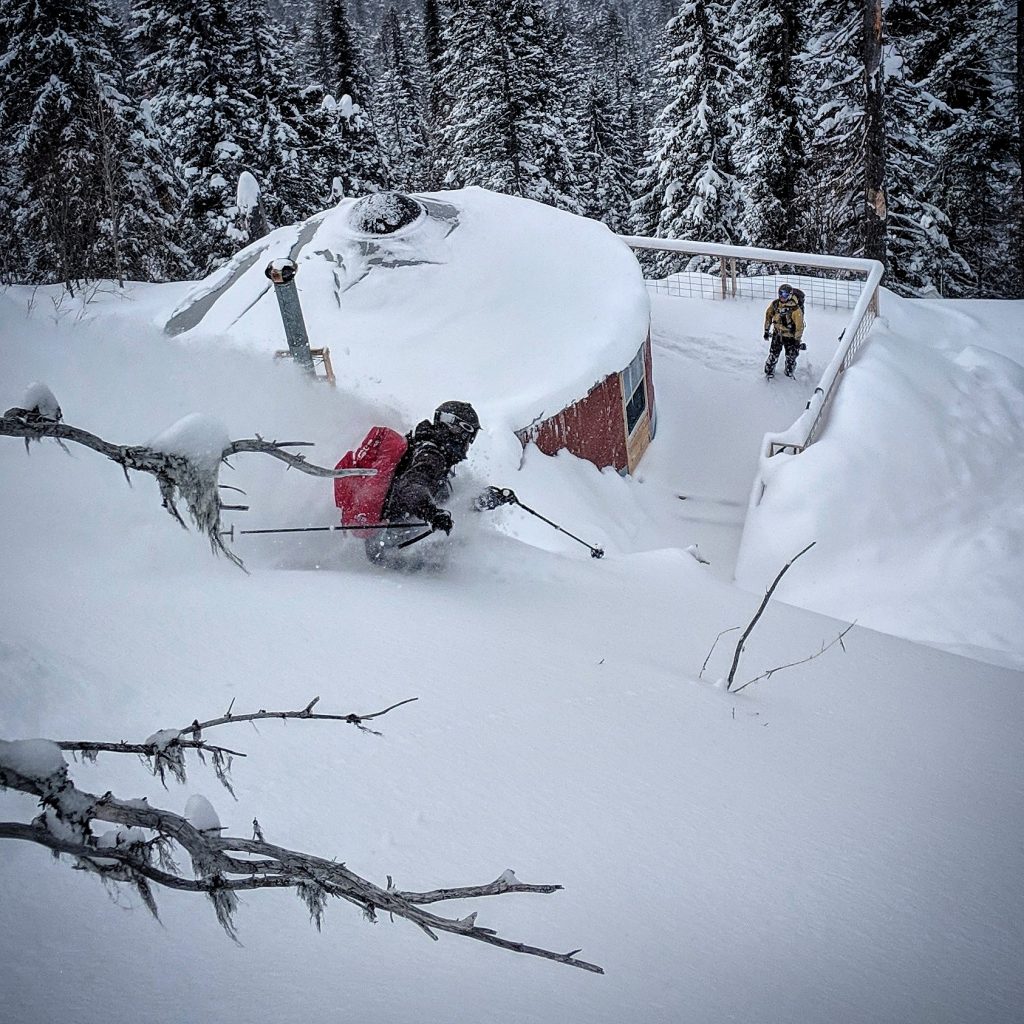
PAIR YOUR SKI TOUR WITH A YURT STAY
A backcountry tour can be straightforward—skinning up a closed road or established route—or more ambitious, with bigger terrain and longer days. Adding a yurt basecamp extends what’s possible. Multiday access means more laps, fewer transitions and time to explore terrain that doesn’t fit into a single push from the trailhead. Some trips stay self-guided; others include guides or snowcat access for higher-elevation terrain.
WHAT TO EXPECT FROM A BACKCOUNTRY YURT
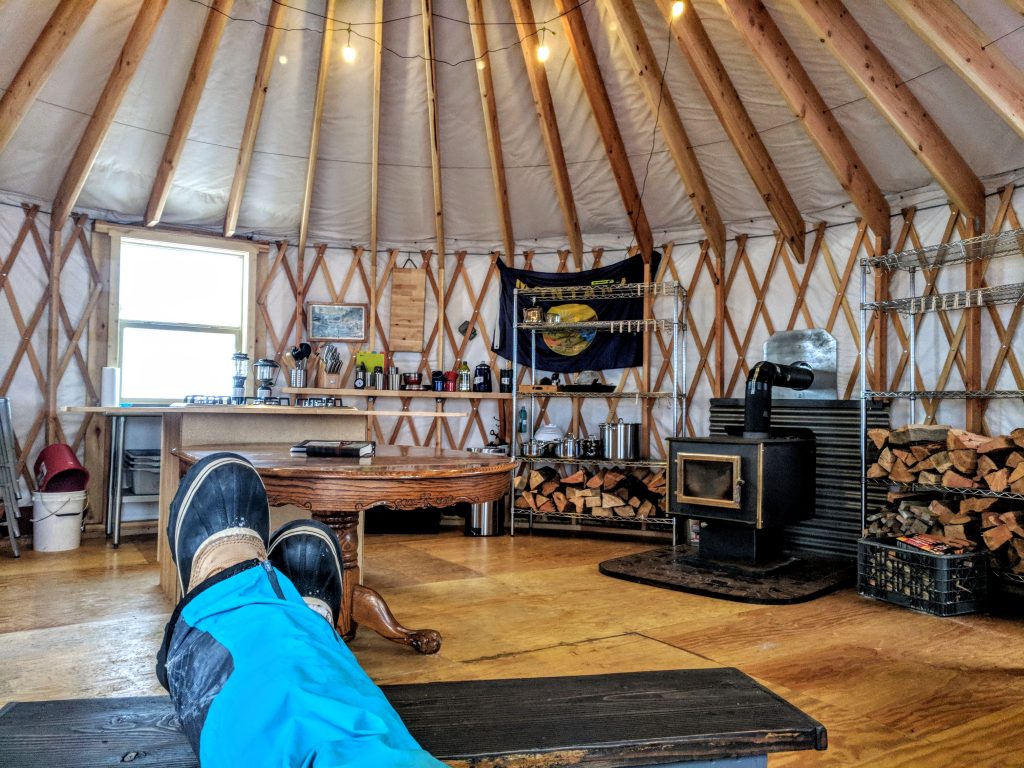
Backcountry yurts are sturdy, circular shelters that balance comfort with durability in remote alpine conditions. Most sleep between four and 14 people on bunks or cots. Amenities vary but often include a wood-burning stove, firewood, lanterns, cooking equipment, drinking water and a pit toilet. You’ll usually need to bring personal gear, like sleeping bags and food, though some outfitters offer gear hauling to simplify logistics. Each yurt is different, so details matter when planning.
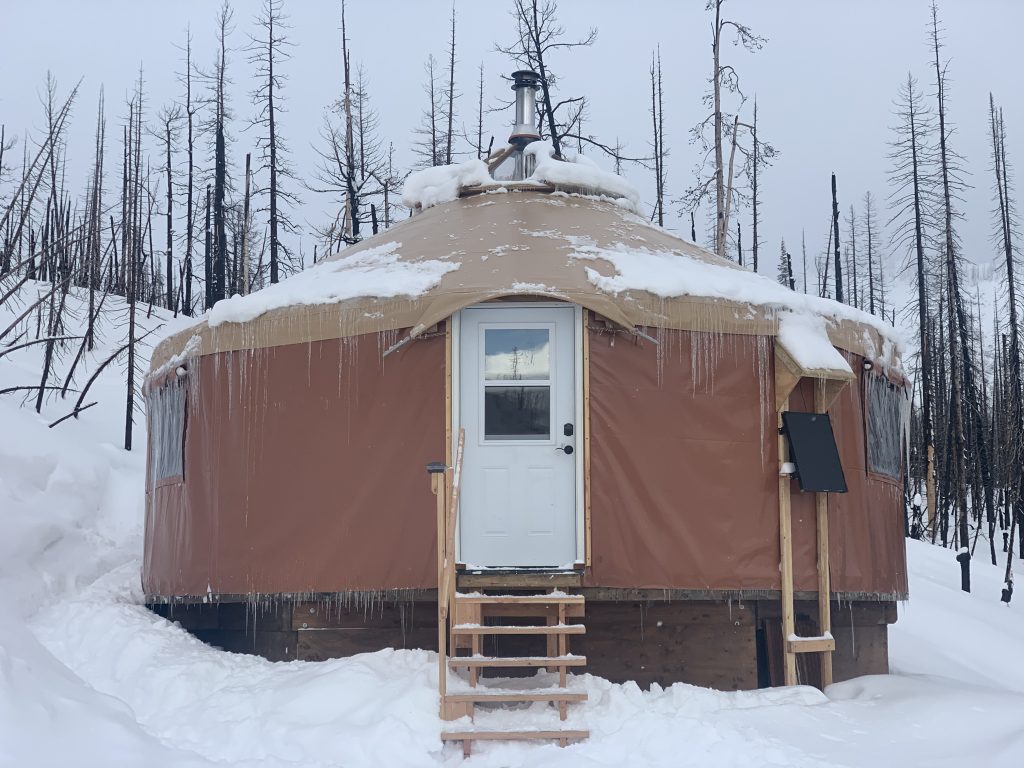
SWAN RANGE YURT SKIING
For consistent powder and varied terrain, the Swan Range sits at the center of Montana’s backcountry skiing scene. Montana Backcountry Yurts operates several yurts tucked between the Mission Mountains and the Bob Marshall Wilderness, roughly 8 miles from the trailhead and about an hour northeast of Missoula. Skiers will find everything from low-angle glades to open bowls, making it well suited for longer stays and mixed-ability groups.
JEWEL BASIN YURT
Just outside Bigfork, the Jewel Basin Yurt offers remote access and reliable snowfall. Skiing here often extends well into spring. The yurt sits above Flathead Lake, with broad views across the Swan Range, and serves as a solid base for long days touring the basin’s open terrain.
BITTERROOT VALLEY BACKCOUNTRY ACCESS
The Bitterroot Valley delivers a wide spectrum of backcountry skiing. From Chair 4 at Lost Trail Powder Mountain, skiers can access the backside of the mountain, opening up tree skiing and steeper lines. The Stateline Yurt, located just over a mile from the boundary, provides access to terrain ranging from approachable glades to advanced lines. Nearby, the Ridgeline Yurt offers similar access with a more family-friendly setup and space for larger groups.
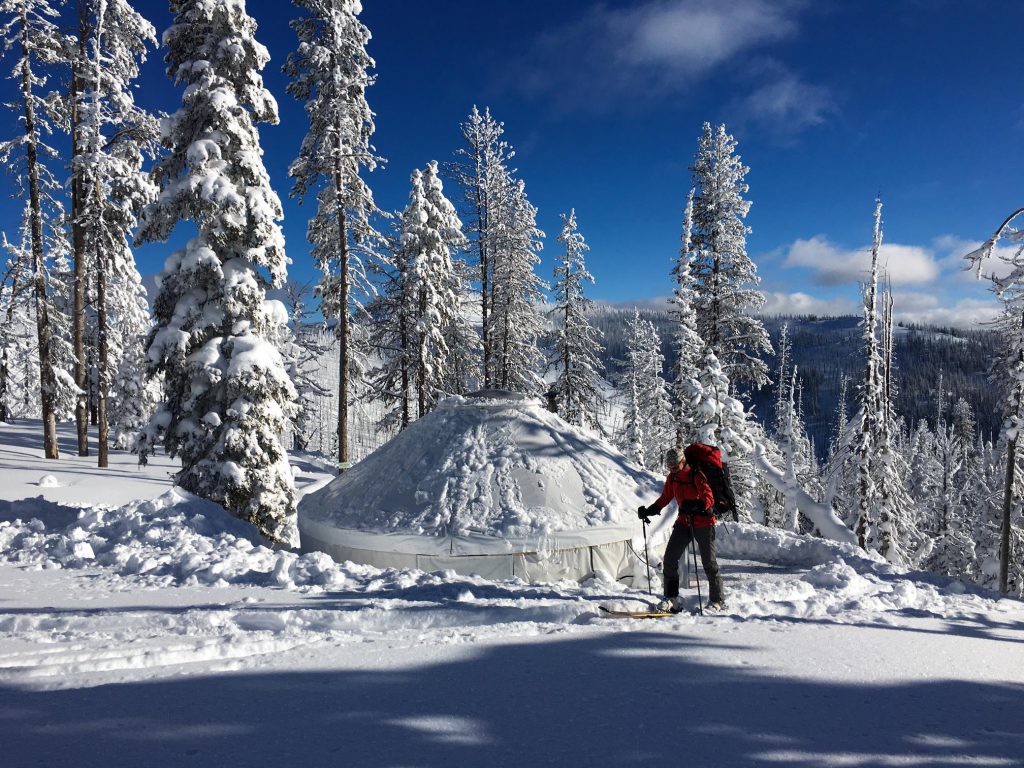
Also in the Bitterroot, Downing Mountain Lodge near Hamilton offers a comfortable base paired with 3,000 vertical feet of glades and open bowls. Skiers can tour independently or hire a guide, then wind down with a soak in the outdoor hot tub or time by the lodge’s central fireplace.
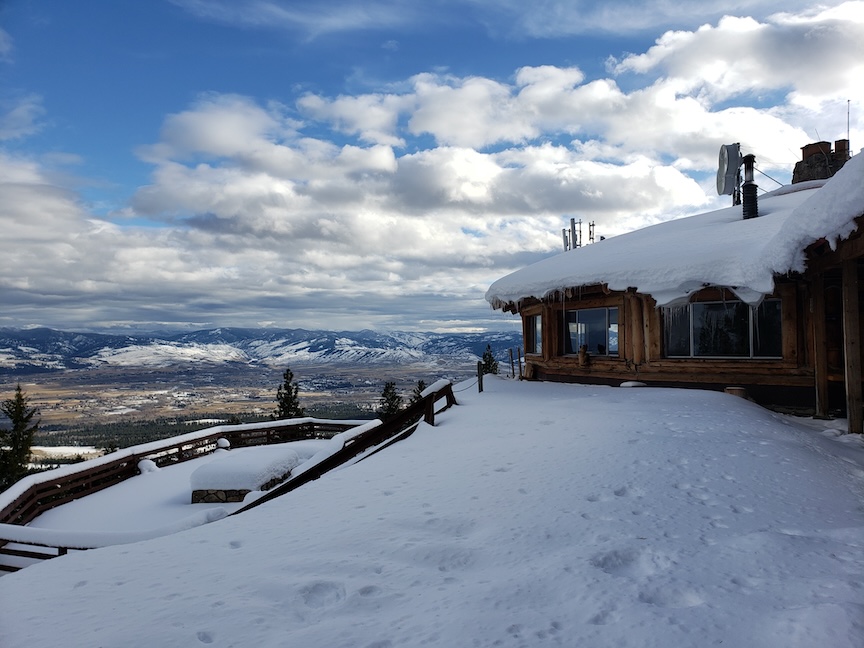
Beyond yurt-based trips, popular Bitterroot backcountry areas include Carlton Ridge near Lolo Peak, along with terrain throughout the Bitterroot and Sapphire ranges—such as St. Mary’s Peak, Gash Point, Lost Horse Canyon, Trapper Peak and Camas Peak. Some areas require snowmobile access.
GUIDED SNOWCAT SKIING
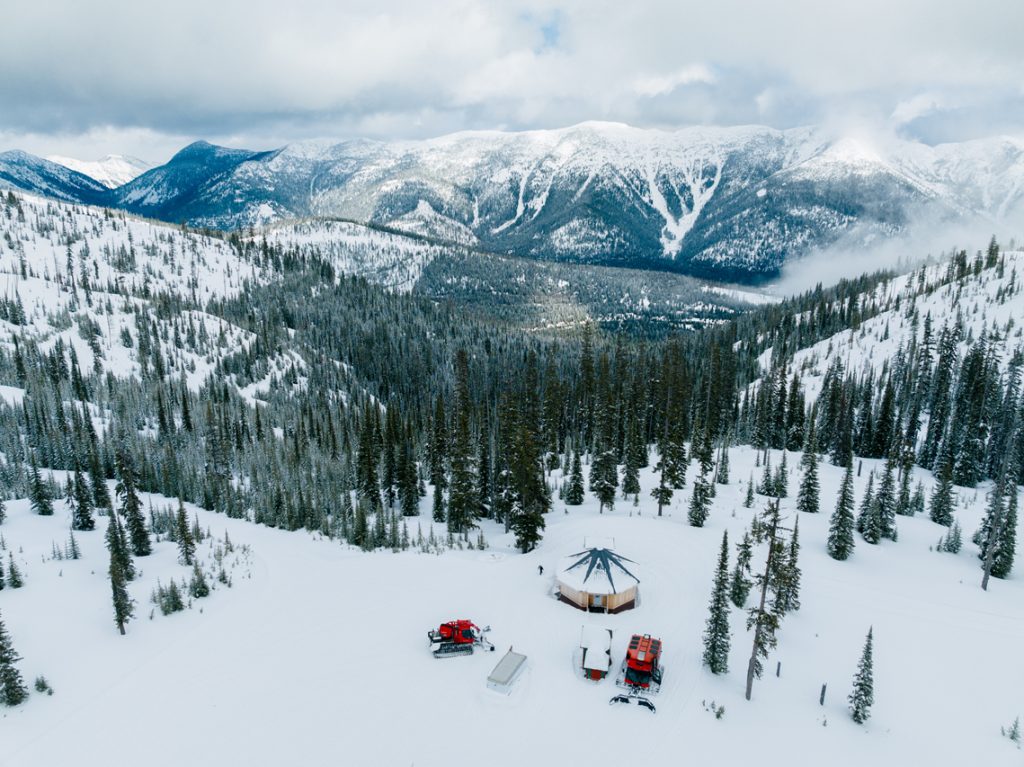
For faster access to higher terrain, guided snowcat skiing adds another layer to the experience. Great Northern Powder Guides operates custom snowcats in the Stillwater State Forest, about 20 miles north of Whitefish. Their terrain reaches elevations near 7,500 feet and includes options suited to experienced skiers as well as those new to backcountry travel. Overnight yurt adventures combine guided skiing with off-grid lodging for a full backcountry immersion.
BACKCOUNTRY SAFETY AND PLANNING
Traveling in the backcountry requires preparation and good judgement. Be avalanche aware—check local avalanche forecasts, carry proper avalanche gear and know how to use it. Many regional outfitters offer avalanche education and backcountry skills courses. For current conditions, consult Missoula Avalanche and Flathead Avalanche.
For additional planning tools, access information through the Montana Backcountry Alliance.
Please note: We ask that all our visitors and residents recreate responsibly by being mindful of the following: know before you go; plan ahead; play it safe; leave no trace; tread lightly; and help build an inclusive outdoors.
January 26, 2026
Related: Backcountry Skiing, Bigfork, Bitterroot Valley, Guided Tours, Hamilton, Montana, Outdoor Fun, Seeley-Swan Corridor, Stay, Vacation, Whitefish, Winter Fun
Comments